
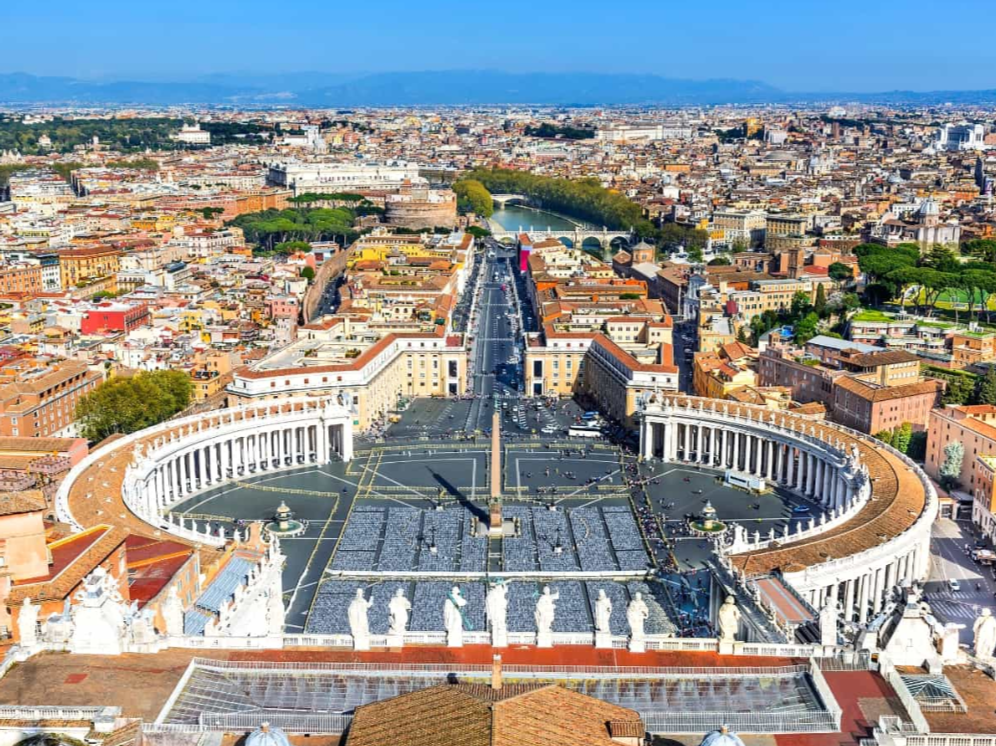
Vatican City, the smallest independent state in the world, is a treasure trove of history, culture, and spirituality. Enclosed within the heart of Rome, this city-state serves as the headquarters of the Roman Catholic Church and the residence of the Pope. Despite its small size, Vatican City is home to some of the most significant religious and artistic masterpieces in the world. First-time visitors will find themselves immersed in an extraordinary blend of grand architecture, sacred traditions, and centuries-old art collections that make this destination one of the most visited places on earth. Whether one is drawn by faith, art, or history, Vatican City offers an experience unlike any other.

St. Peter’s Basilica: The Heart of Vatican City
St. Peter’s Basilica stands as the most iconic symbol of Vatican City and one of the largest churches in the world. Built on the site where Saint Peter, one of Jesus’ apostles, is believed to be buried, the basilica is a masterpiece of Renaissance architecture, with contributions from some of the greatest artists and architects, including Michelangelo and Bernini.
Visitors entering the basilica are greeted by an awe-inspiring interior filled with intricate mosaics, towering marble columns, and grand altars. One of the most famous works housed within is Michelangelo’s Pietà, a stunning marble sculpture depicting the Virgin Mary holding the body of Christ. The sheer scale and beauty of St. Peter’s Basilica leave an indelible impression on all who visit.
For those seeking a panoramic view of Vatican City and Rome, climbing to the top of St. Peter’s Dome is a must. The ascent, which includes a combination of stairs and an elevator, rewards visitors with breathtaking views of St. Peter’s Square and the surrounding cityscape. Whether admiring the basilica’s stunning interior or taking in the city from above, St. Peter’s Basilica is an essential stop for any first-time visitor to the Vatican.

The Vatican Museums: A Journey Through Art and History
The Vatican Museums house one of the most extensive and impressive art collections in the world. Established by Pope Julius II in the early 16th century, the museums comprise a series of galleries, chapels, and corridors filled with priceless artworks, sculptures, and historical artifacts. Walking through the Vatican Museums is like traveling through centuries of artistic achievement, with works from ancient Egypt, the Renaissance, and beyond.
One of the most anticipated highlights of the Vatican Museums is the Sistine Chapel. Known for its breathtaking ceiling frescoes painted by Michelangelo, the Sistine Chapel is a masterpiece of biblical storytelling. The ceiling features scenes from the Book of Genesis, including the famous depiction of the Creation of Adam, where God and Adam’s fingers nearly touch. The chapel also serves as the site of papal conclaves, where new popes are elected, adding to its historical and spiritual significance.
In addition to the Sistine Chapel, the Raphael Rooms showcase some of the most remarkable frescoes by the Renaissance master Raphael. The School of Athens, a painting that symbolizes the marriage of art, philosophy, and science, is one of the most celebrated works within these chambers. Visitors should also explore the Gallery of Maps, a stunning corridor adorned with detailed frescoes of Italy’s regions, and the Pio-Clementine Museum, which houses an impressive collection of classical sculptures, including the renowned Laocoön and His Sons.

St. Peter’s Square: The Grand Entrance to the Vatican
Designed by Gian Lorenzo Bernini in the 17th century, St. Peter’s Square is one of the most recognizable public spaces in the world. Surrounded by an elliptical colonnade adorned with statues of saints, the square serves as the grand entrance to St. Peter’s Basilica and the Vatican Museums. This open space is where thousands gather for papal audiences, religious celebrations, and the Pope’s weekly Angelus blessing.
At the center of St. Peter’s Square stands a towering Egyptian obelisk, originally brought to Rome by Emperor Caligula. Flanking the obelisk are two large fountains that add to the elegance of the square. Whether arriving in the early morning to avoid the crowds or witnessing a papal address, visitors will find St. Peter’s Square to be a breathtaking and symbolic introduction to Vatican City.

Attending a Papal Audience: A Unique Vatican Experience
For many visitors, attending a papal audience or receiving a blessing from the Pope is a once-in-a-lifetime experience. The Pope holds a general audience every Wednesday, during which he delivers teachings and blessings to thousands of pilgrims gathered in St. Peter’s Square or inside the Paul VI Audience Hall. Special events, such as Easter and Christmas Masses, attract even larger crowds, offering a powerful spiritual experience.
Attending a papal audience requires advance planning, as free tickets must be reserved through the Vatican’s official website or requested through a local parish. Those who secure a spot can witness the Pope up close, hear his messages, and participate in a centuries-old tradition that unites Catholics from around the world.

Vatican Gardens: A Hidden Oasis
For those seeking a peaceful escape from the crowds, the Vatican Gardens offer a serene retreat filled with lush greenery, fountains, and historic monuments. These beautifully landscaped gardens, which cover nearly half of Vatican City, have been used by popes as a place of meditation and relaxation for centuries.
Access to the Vatican Gardens is limited, and visitors must book a guided tour in advance. Exploring the gardens provides a unique perspective on Vatican City, offering glimpses of medieval walls, Renaissance-era sculptures, and stunning views of St. Peter’s Basilica. This hidden oasis provides a contrast to the grandeur of the basilica and museums, making it a worthwhile addition to any Vatican itinerary.

Tips for Visiting Vatican City
A visit to Vatican City requires some preparation to ensure a smooth and enjoyable experience. One of the most important considerations is the dress code. As a religious site, visitors are expected to dress modestly, covering their shoulders and knees when entering St. Peter’s Basilica and the Vatican Museums.
Arriving early is recommended, as Vatican City attracts millions of tourists each year. Lines for St. Peter’s Basilica and the Vatican Museums can be long, but purchasing skip-the-line tickets or joining a guided tour can help visitors make the most of their time. Visiting on weekdays and avoiding peak tourist seasons can also improve the experience.
Security measures are in place throughout Vatican City, including metal detectors and bag checks at entrances. Visitors should also be mindful of photography rules, as flash photography is prohibited inside the Sistine Chapel, and silence is expected in certain areas of the museums.