
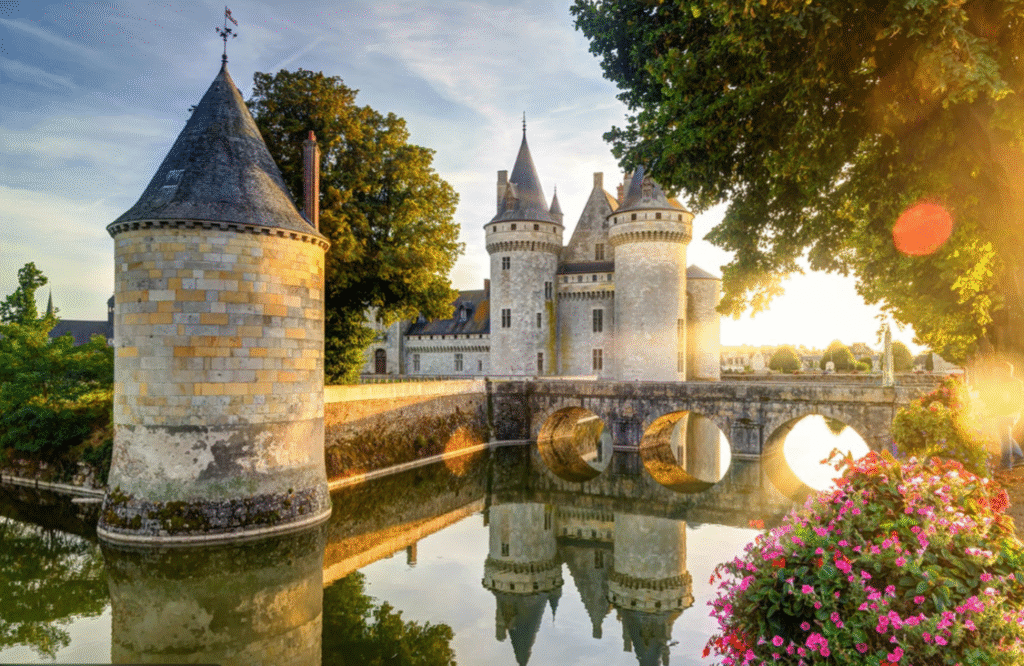
Germany’s Romantic Road is one of the most scenic and culturally rich routes in Europe. Stretching from Würzburg in northern Bavaria to Füssen in the south, this enchanting journey takes travelers through medieval towns, rolling vineyards, fairy-tale castles, and picturesque countryside. The route, covering approximately 460 kilometers, is a perfect blend of history, architecture, and natural beauty. Whether exploring charming half-timbered houses, enjoying traditional Bavarian cuisine, or marveling at stunning landscapes, the Romantic Road offers an unforgettable experience for travelers seeking a storybook adventure.

Starting the Journey in Würzburg: A City of Baroque Splendor
Würzburg, the gateway to the Romantic Road, is a city rich in history and architectural grandeur. Nestled along the banks of the Main River, Würzburg is best known for the UNESCO-listed Würzburg Residence, a masterpiece of Baroque architecture. This opulent palace, with its stunning frescoes by Giovanni Battista Tiepolo and beautifully landscaped gardens, sets the tone for the journey ahead.
Beyond the Residence, visitors can explore the Marienberg Fortress, which offers panoramic views of the city and the surrounding vineyards. Würzburg is also famous for its wine culture, particularly the local Franconian wines served in the traditional Bocksbeutel bottles. A visit to the Old Main Bridge (Alte Mainbrücke) provides a perfect opportunity to sample local wines while enjoying views of the river and the city’s historic skyline.
Rothenburg ob der Tauber: A Fairytale Town
Continuing south, one of the highlights of the Romantic Road is Rothenburg ob der Tauber, a perfectly preserved medieval town that feels like stepping into a fairy tale. Encircled by ancient walls, Rothenburg’s cobblestone streets, timber-framed houses, and charming squares create a magical atmosphere.
The town’s Market Square is a vibrant hub, home to the impressive Town Hall and the famous Käthe Wohlfahrt Christmas Village, which celebrates the holiday spirit year-round. Visitors can also walk along the town walls for breathtaking views of the surrounding countryside. The medieval charm of Rothenburg extends to its culinary offerings, with local specialties such as Schneeballen (fried pastry balls) providing a sweet treat for travelers.

Dinkelsbühl and Nördlingen: Hidden Gems of the Romantic Road
Further along the route, Dinkelsbühl is another medieval treasure with its intact town walls and colorful half-timbered houses. Unlike many historic towns in Germany, Dinkelsbühl was spared from destruction during World War II, preserving its authentic character. The town’s St. George’s Minster, with its striking Gothic architecture, is a must-visit.
A short drive from Dinkelsbühl leads to Nördlingen, a unique town built within a 15-million-year-old meteorite crater. The town’s circular walls, which remain completely intact, offer an opportunity to walk around the entire perimeter and admire the town from above. Nördlingen’s St. George’s Church features a tower known as “Daniel,” which provides stunning views of the surrounding landscape.

Augsburg: A Blend of Renaissance and Modernity
Augsburg, one of Germany’s oldest cities, brings a mix of history and modern vibrancy to the Romantic Road. Founded by the Romans over 2,000 years ago, Augsburg boasts an impressive collection of Renaissance and Baroque architecture. The town is famous for the Fuggerei, the world’s oldest social housing complex still in use, founded in the 16th century by the wealthy Fugger family.
The city’s grand Maximilianstraße is lined with stunning fountains, historic buildings, and inviting cafés. The Augsburg Cathedral and the City Hall, with its opulent Golden Hall, showcase the town’s architectural brilliance. Augsburg’s dynamic cultural scene and rich history make it a fascinating stop along the journey.

Landsberg am Lech and Wieskirche: Baroque Beauty in Bavaria
Landsberg am Lech, a picturesque town on the banks of the Lech River, is another charming stop. Its beautifully preserved medieval center, with colorful facades and scenic river views, creates a relaxing and inviting atmosphere. Landsberg’s Mutterturm tower and the historic town gates add to its fairytale-like appeal.
A short drive from Landsberg leads to the Wieskirche, a UNESCO-listed pilgrimage church and a masterpiece of Rococo architecture. Nestled in the Bavarian countryside, the church’s ornate interior, with its elaborate frescoes and gilded decorations, is a breathtaking sight. The Wieskirche is not only an architectural gem but also a place of serenity and reflection.

Schwangau and Neuschwanstein Castle: A Fairytale Finale
The final leg of the Romantic Road leads to Schwangau, home to the iconic Neuschwanstein Castle. This world-famous castle, perched on a hill with the Bavarian Alps as its backdrop, looks like it was lifted from a storybook. Built by King Ludwig II of Bavaria, Neuschwanstein’s romantic design and dramatic location have made it one of the most visited landmarks in Germany.
Nearby, the lesser-known but equally charming Hohenschwangau Castle offers another glimpse into Bavaria’s royal past. This castle, where Ludwig II spent much of his childhood, provides stunning views of the surrounding mountains and lakes. The nearby Alpsee Lake offers a perfect setting for a scenic walk or a moment of relaxation before concluding the journey.

Tips for a Memorable Road Trip Along the Romantic Road
Traveling along the Romantic Road is best done by car, allowing for flexibility and the opportunity to explore at a relaxed pace. Many of the towns along the route are best experienced on foot, with plenty of walking trails, town squares, and hidden corners to discover.
Visitors should plan to spend at least five to seven days on the route to fully enjoy its beauty without feeling rushed. The best time to embark on this journey is during spring and autumn when the landscapes are at their most picturesque, and the crowds are smaller compared to the peak summer months.
Accommodations range from charming guesthouses in historic buildings to luxurious hotels set in scenic locations. Staying overnight in some of the smaller towns allows for a more immersive experience, particularly when exploring the medieval streets in the early morning or late evening when the day-trippers have left.
Local cuisine is another highlight of the journey. Traditional Bavarian dishes such as sausages, pretzels, schnitzels, and hearty stews can be enjoyed in cozy taverns and beer gardens along the way. Sampling regional specialties, including wines from Franconia and local beers, adds to the cultural experience of the trip.