
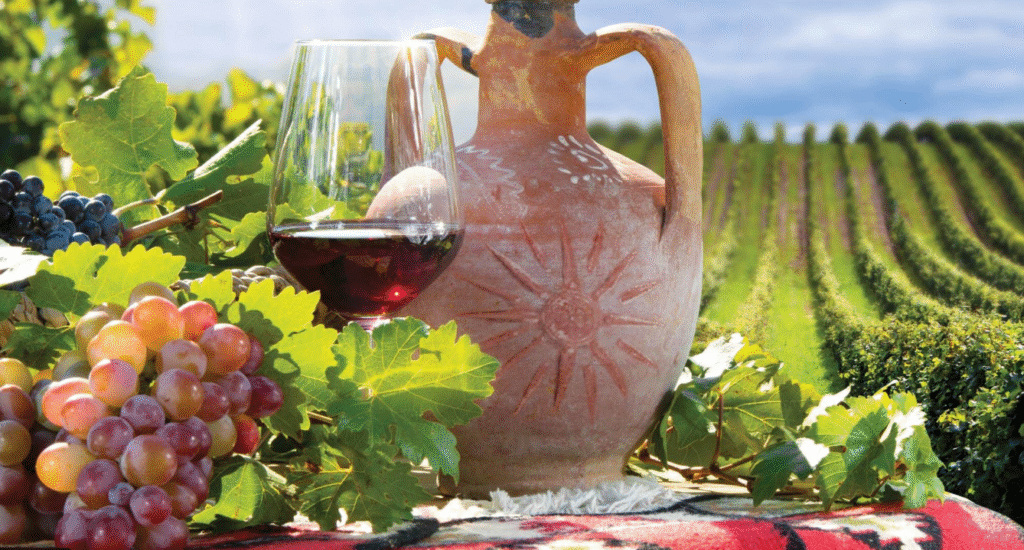
North Macedonia, a small yet vibrant country in the Balkans, boasts a rich and diverse culinary scene deeply rooted in its history, geography, and cultural influences. With a winemaking tradition that dates back to ancient times and a cuisine that blends Mediterranean, Ottoman, and Slavic flavors, the country offers a unique gastronomic experience. The fertile valleys, warm climate, and abundant natural resources create an ideal environment for agriculture, allowing North Macedonia to produce high-quality wines and a wide array of traditional dishes. Whether exploring the renowned vineyards of Tikveš, tasting hearty stews and grilled meats, or indulging in sweet pastries and locally crafted cheeses, visitors can expect a memorable culinary journey.

The History and Tradition of Wine in North Macedonia
Winemaking in North Macedonia has a legacy stretching back thousands of years, with evidence of grape cultivation found in ancient settlements. The country’s strategic location along trade routes allowed its wine culture to flourish under the influence of the Greeks, Romans, and Ottomans. Over the centuries, viticulture became an integral part of Macedonian heritage, with generations of winemakers perfecting their craft.
Today, North Macedonia is recognized as one of the leading wine producers in the Balkans. The country’s climate, characterized by long, hot summers and mild winters, provides ideal conditions for grape growing. The combination of diverse terroirs and traditional winemaking techniques results in wines with bold flavors, balanced acidity, and rich aromas. Many wineries have embraced modern innovations while maintaining respect for traditional methods, allowing them to produce wines that rival those of more established European wine regions.

The Wine Regions of North Macedonia
North Macedonia is divided into several distinct wine regions, each with its own unique characteristics. The most famous and productive region is the Tikveš wine district, which accounts for the majority of the country’s wine production. The fertile land, abundant sunshine, and skilled viticulturists contribute to the exceptional quality of wines from this area. The region is home to some of the country’s most prestigious wineries, where visitors can enjoy guided tours, wine tastings, and vineyard walks.
Other notable wine regions include the Veles, Povardarie, and Skopje districts, which also produce a variety of high-quality wines. The mountainous areas of the country, such as the Ohrid and Pelagonija regions, offer a different winemaking experience, with cooler temperatures and unique soil compositions resulting in distinct flavors and aromas.
Signature Grape Varieties and Wines
North Macedonia is best known for its indigenous grape varieties, particularly Vranec, a bold and full-bodied red wine grape that thrives in the country’s warm climate. Vranec wines are deep in color, rich in tannins, and characterized by flavors of dark berries, plums, and spices. Often referred to as the “black stallion” of Macedonian wines, Vranec has gained international recognition for its depth and complexity.
In addition to Vranec, North Macedonia produces several other notable red and white wines. Kratosija, an ancient red grape variety, shares similarities with Zinfandel and Primitivo, offering fruit-forward flavors and a smooth finish. Among the white grape varieties, Smederevka is one of the most widely cultivated, known for its light and crisp profile. Temjanika, a highly aromatic white wine with floral and citrus notes, is another favorite among wine enthusiasts.
North Macedonia’s winemakers also produce international varietals such as Merlot, Cabernet Sauvignon, Chardonnay, and Sauvignon Blanc, often blending them with native grapes to create unique and expressive wines. Whether preferring robust reds, refreshing whites, or elegant rosés, wine lovers can find a bottle to suit their taste in North Macedonia.

Traditional Macedonian Cuisine: A Fusion of Flavors
Macedonian cuisine is a delightful fusion of Mediterranean, Balkan, and Middle Eastern influences. The country’s culinary traditions are deeply connected to its agricultural heritage, with fresh, locally sourced ingredients playing a central role in every dish. Meals are often accompanied by bread, cheese, and locally produced wines, reflecting the hospitality and warmth of Macedonian culture.
Meat dishes are particularly popular in North Macedonia, with grilled meats, slow-cooked stews, and roasted lamb being staples of the local diet. Tavče Gravče, a beloved national dish, consists of baked beans seasoned with paprika, onions, and herbs, traditionally cooked in a clay pot. Another signature dish, Ajvar, is a flavorful red pepper spread made from roasted peppers, eggplant, and garlic, often enjoyed as a condiment or appetizer.
Dairy products also play a significant role in Macedonian cuisine. Kashkaval, a semi-hard yellow cheese, and Sirenje, a brined white cheese similar to feta, are commonly used in salads, pastries, and main courses. The country’s diverse selection of dairy products enhances the richness and depth of its traditional dishes.

Macedonian Pastries and Desserts
No culinary journey through North Macedonia is complete without indulging in its traditional pastries and sweets. Burek, a savory pastry filled with cheese, meat, or spinach, is a popular breakfast item enjoyed with a glass of yogurt. Zelnik, another flaky pastry, is typically filled with cabbage, cheese, or pumpkin, offering a delicious combination of textures and flavors.
When it comes to desserts, Macedonian cuisine showcases a variety of sweet treats influenced by Ottoman traditions. Tulumba, deep-fried dough soaked in syrup, and Baklava, layers of phyllo pastry filled with nuts and honey, are among the most famous sweets enjoyed across the country. Additionally, Lokum, known as Turkish delight, and Halva, a dense confection made from sesame or sunflower seeds, are commonly served with coffee or tea.

The Experience of Dining in North Macedonia
Dining in North Macedonia is not just about the food; it is an experience deeply rooted in tradition and hospitality. Meals are often enjoyed with family and friends, accompanied by music, lively conversation, and an appreciation for the culinary arts. Restaurants, taverns, and wineries across the country offer a warm and inviting atmosphere, where guests can savor traditional flavors while learning about the cultural significance of each dish.
In urban centers like Skopje and Bitola, visitors can explore a mix of modern restaurants and traditional eateries, offering everything from fine dining to casual street food. The capital city, Skopje, boasts a vibrant food scene with a variety of international influences, while the picturesque town of Ohrid provides a scenic setting for lakeside dining, featuring fresh fish and seafood specialties.
For those looking to immerse themselves in the full culinary experience, many wineries and rural estates offer farm-to-table dining, allowing guests to enjoy locally sourced ingredients prepared using time-honored techniques. This connection between food, wine, and tradition is what makes North Macedonia’s culinary scene truly special.
